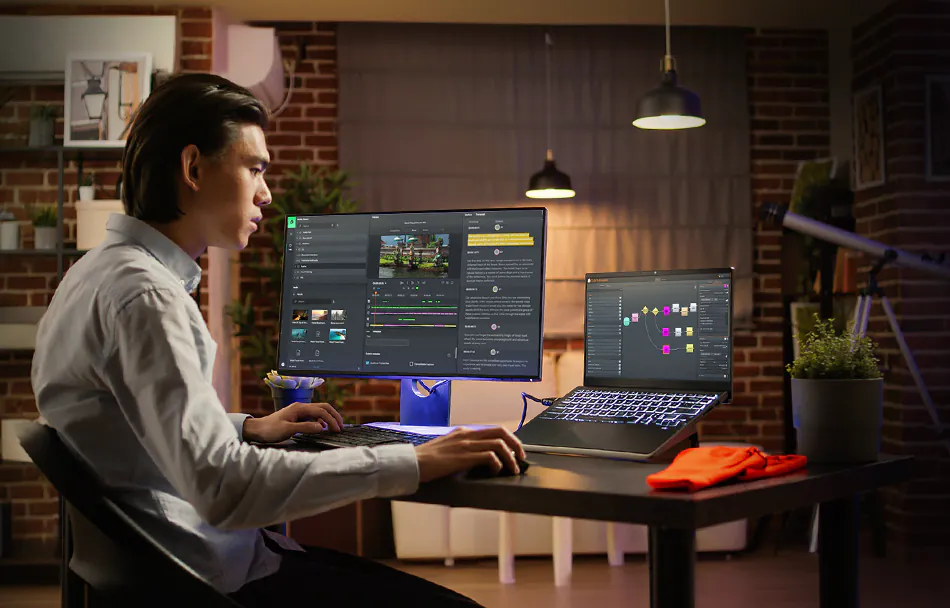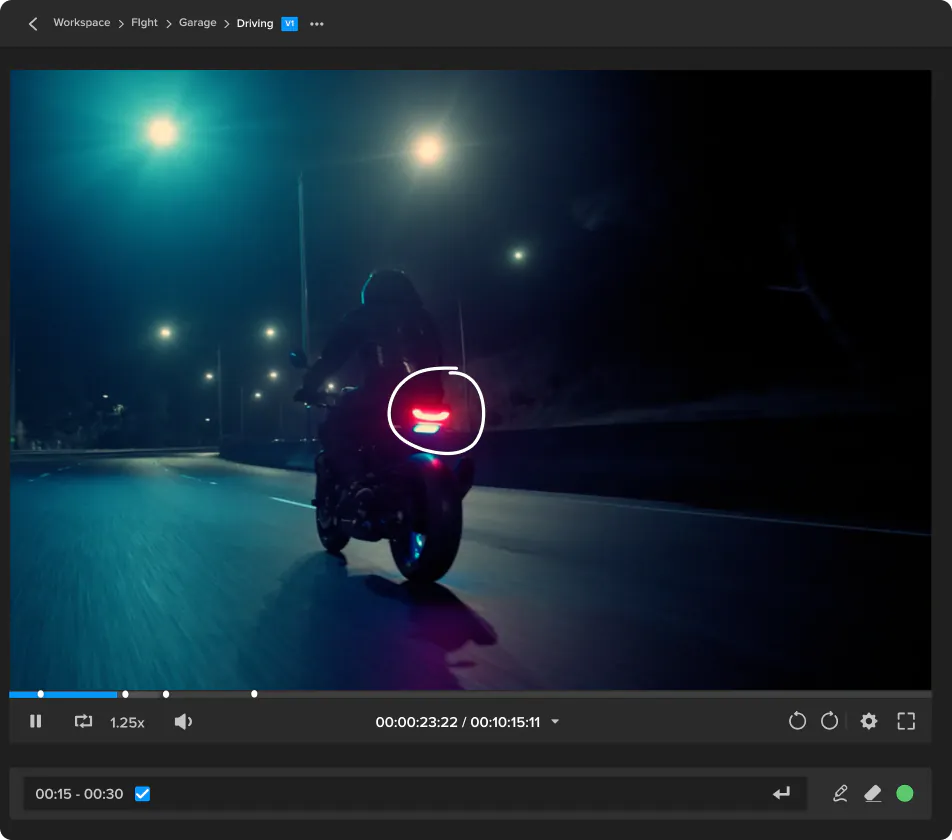
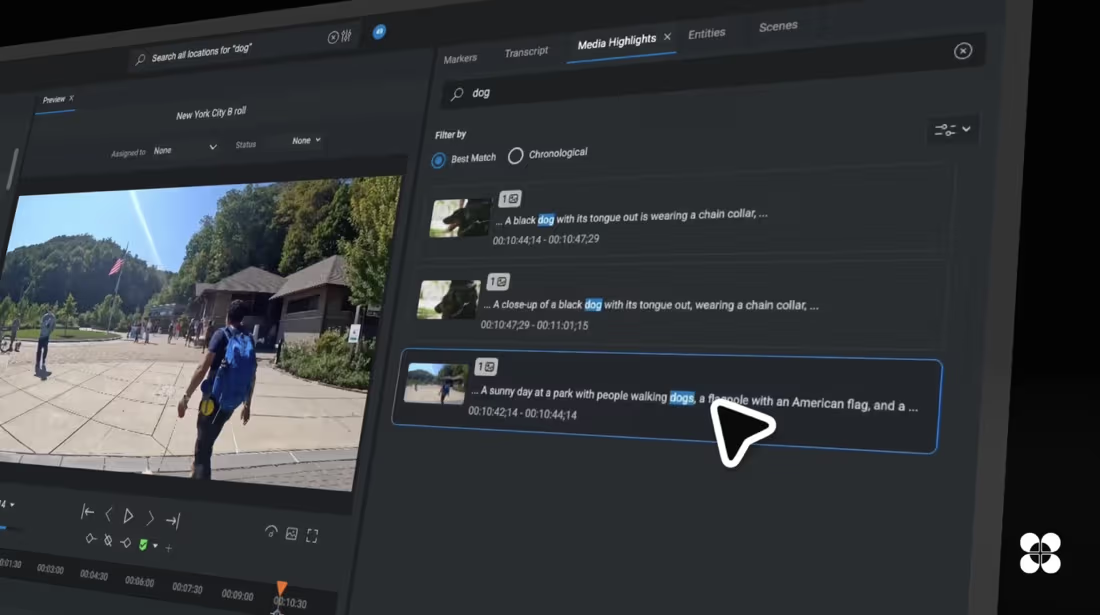
Finding a specific moment in your library, a jersey logo, a crowd reaction, or a specific interview setup, often feels like digital archaeology. When a producer remembers a shot but can't locate it, the result is hours of manual scrubbing that drains creative momentum. Because video is unstructured data, there is no inherent metadata that tells you what is happening on screen. Historically, the only solution was manual logging, which is slow, expensive, and rarely complete.
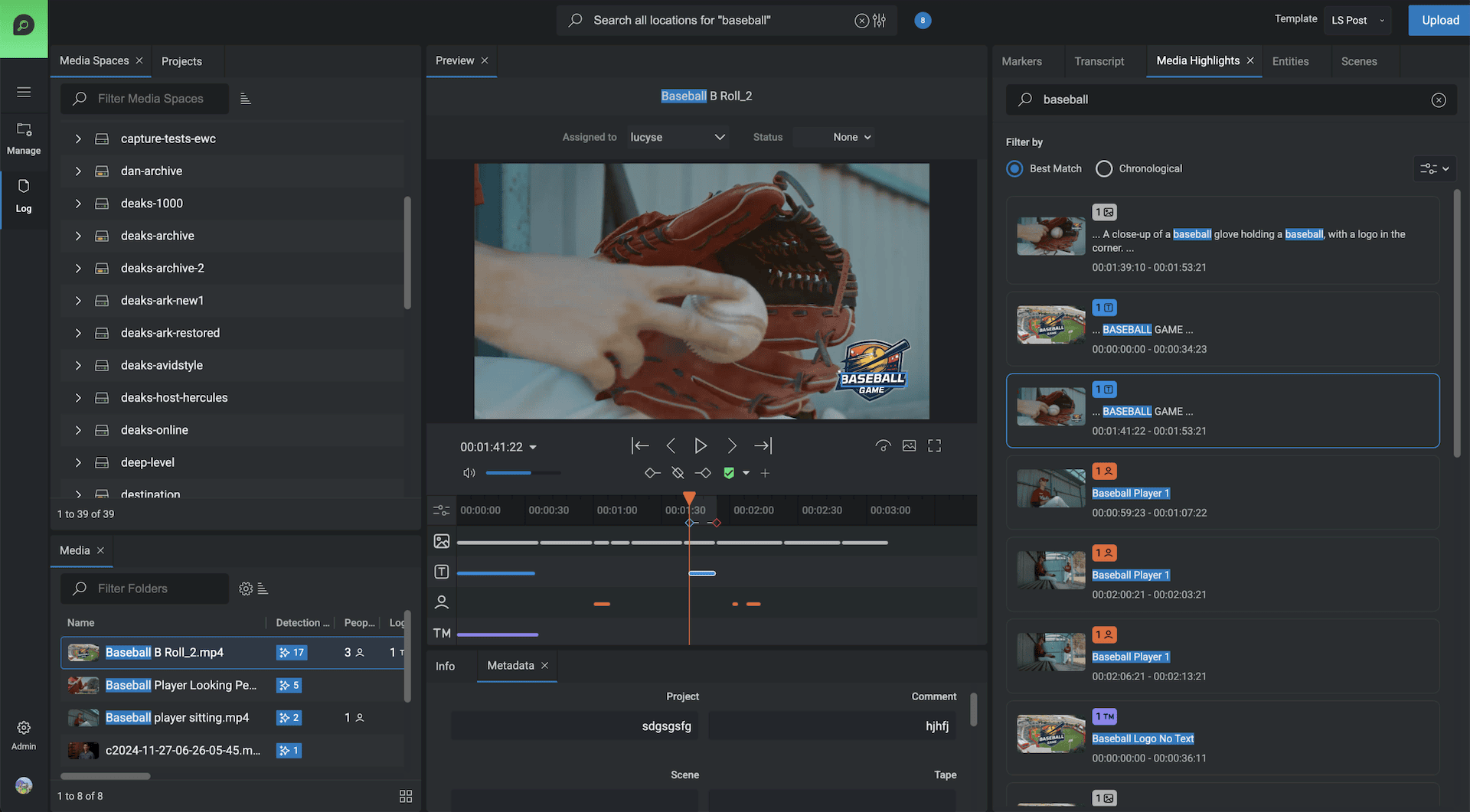
At NAB this year, EditShare showcased FLOW AI, an analytical AI engine designed to integrate intelligence directly into media management and workflow automation. The system finds logos, recognizes faces, describes scenes, and adds the context needed for semantic search inside the FLOW asset management interface. It is a significant advance in how teams understand, organize, and accelerate work with the content they create.
Learning from a first attempt
EditShare had prior experience with audio and video AI processing. That first-generation offering was expensive, slow, and required two different products for most tasks. We learned from that experience, and it shaped a very different approach the second time around.
Rather than treating AI as a web-based integration that ships files off to AWS or Google, we built AI as a core part of FLOW. That decision avoids the fragile, multi-vendor complexity media teams are trying to escape. Customers wanted intelligence native to the workflow they already trust, not another system to configure and support when deadlines are closing in.
A deliberate trade-off
The current approach involves a trade-off: AI video processing requires a dedicated GPU server, which adds entry cost. We built the first version for serious editing teams and media management professionals who analyze 500 or more hours of content a year, such as reality TV productions, large corporate marketing teams, and sports organizations.
Over time, we plan to fold GPU capability into the core server architecture to eliminate the extra hardware, and we're focused on surfacing FLOW AI results directly inside DaVinci Resolve and Adobe Premiere Pro.
We're building AI that actually functions in real media operations, not demonstrations.
To see how analytical AI fits into a complete media management workflow, explore FLOW AI and FLOW Media Management.